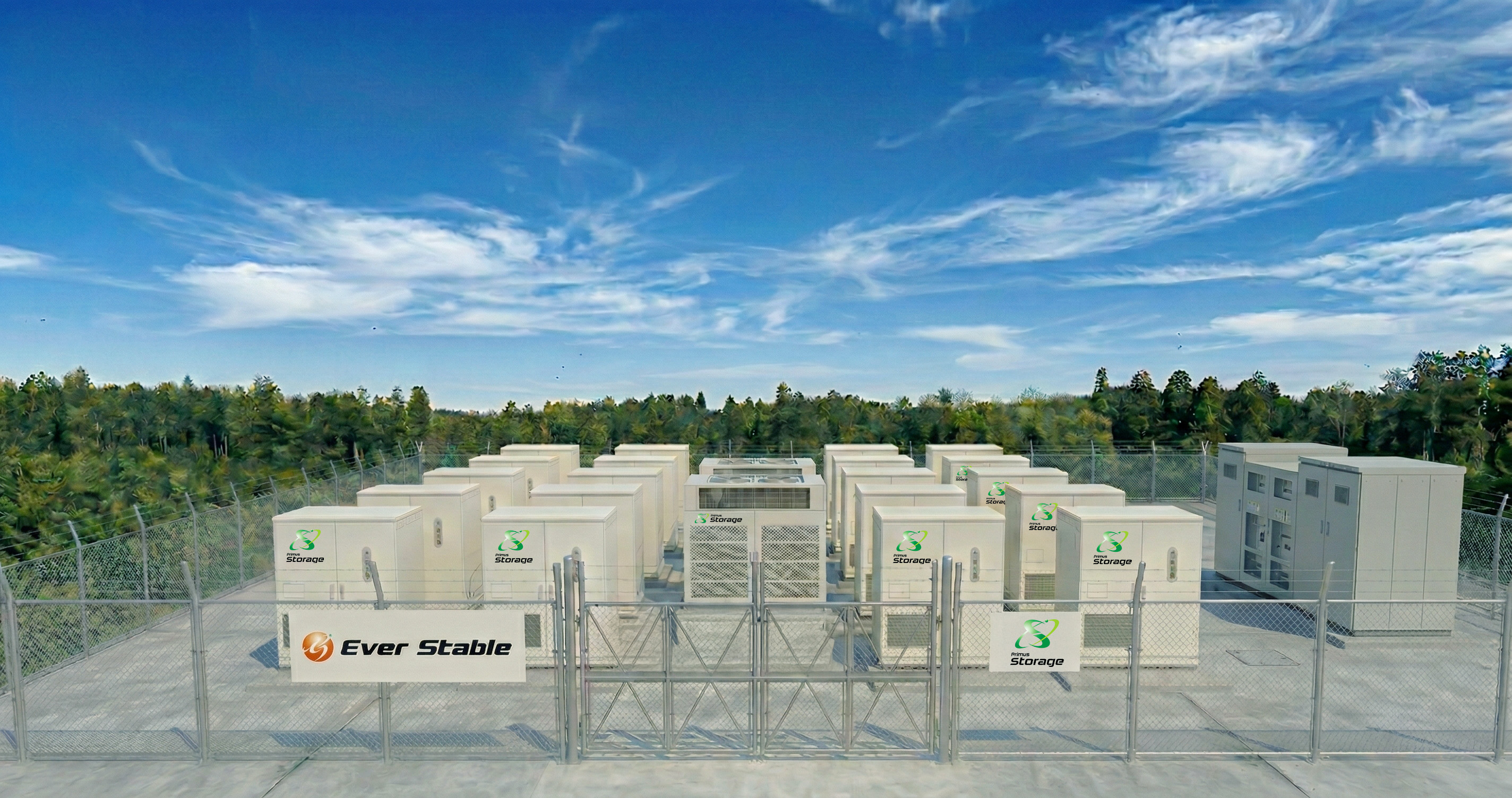
What is needed now is stable operation that reliably delivers high profits.
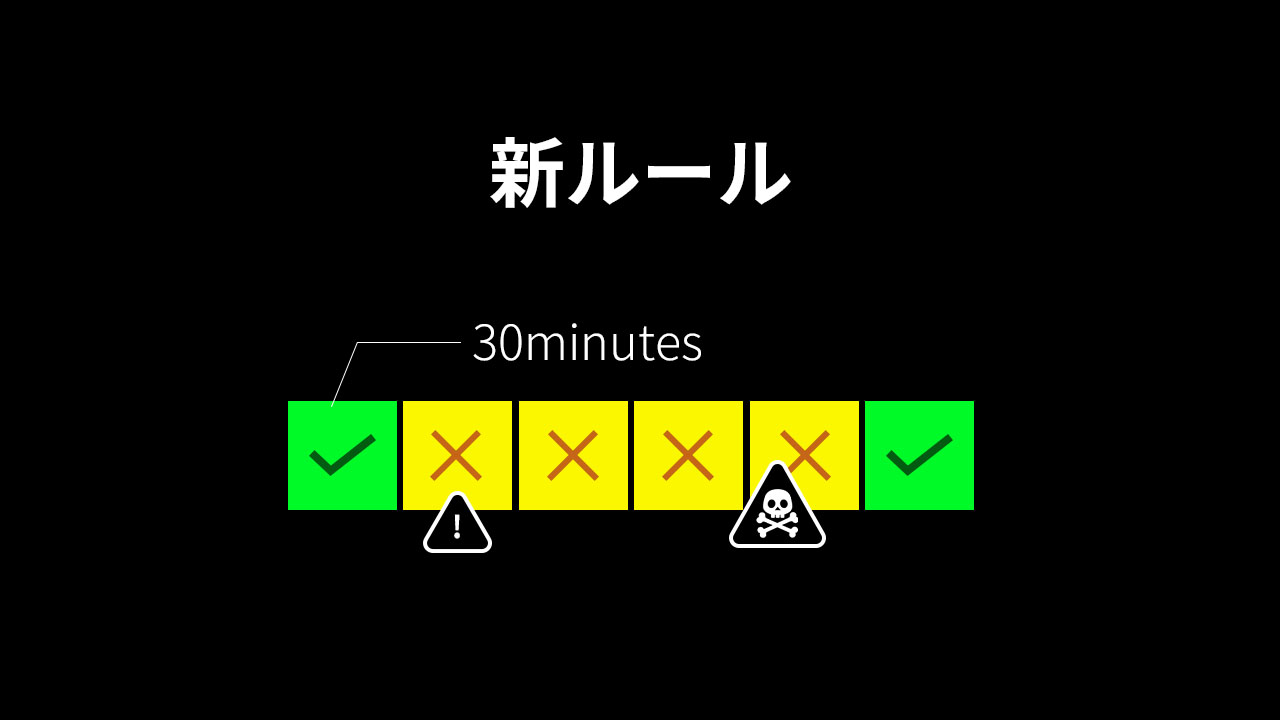
Starting March 2026, the supply-demand adjustment market will transition to 30-minute intervals. Under the new rules, the operational unit shifts from 3 hours to 30 minutes. Under the old rules, even if equipment failure occurred, non-compliance was counted only once per 3-hour period. However, under the new rules, it is counted every 30 minutes. If non-compliance persists for 2 out of 3 hours, it counts as 4 instances of non-compliance. At that point, immediate trading suspension will be imposed. Under the new rules, higher frequency and longer duration operations are required. A single device failure could lead to a system-wide shutdown. This could directly result in penalties and opportunity losses amounting to tens of millions of yen.
Read more
For example, a case where 47 out of 48 maximum daily bidding slots are used. With a 90% yield rate, this is 1,980 kilowatts × 90%. The pass line is 1,782 kilowatts. With a 200-kilowatt-class PCS, a single unit failure alone would cause it to fall below this line. At that instant, it becomes non-compliant and trading stops. To avoid this, if bidding is restrained to account for cancellation time, bidding would be capped at 32 slots, reducing revenue by approximately 32%. Under the new rules, more frequent and longer-duration operation is required.